Trizomal Glutathione What to avoid when taking glutathione?
What to Avoid When Taking Glutathione: A Consumer-Style Review for Women 45–54
Glutathione has become one of those ingredients that shows up in skincare talk, wellness routines, and “anti-oxidant” product descriptions—so it’s not surprising that searches like “what to avoid when taking glutathione” are getting more attention. For women aged 45–54, the motivation is often practical: supporting skin appearance, looking for gentle wellness add-ons, and trying a supplement that sounds “natural.” But Google users usually want the same answer you want: what are the common mistakes, side effects, and combinations that don’t get mentioned in marketing?
As a consumer-style review, I’m going to treat this like a product trial—because the biggest differences between “worked for me” and “did nothing” (or “it made me feel off”) are frequently tied to dose, format, timing, and whether the person avoided predictable issues. This includes avoiding unclear sourcing, avoiding stacking too many antioxidants at once, and avoiding the urge to judge results after a few days.
Introduction: Why “What to Avoid When Taking Glutathione?” Matches Search Intent
Most people don’t search this phrase when they’re looking for a headline. They search when they want safety and realism. You may be comparing glutathione to other antioxidants, considering a liposomal option, or wondering whether oral glutathione competes with your current routine (vitamin C, NAC, collagen, iron, or hormone-related supplements). You may also have seen side-effect stories—nausea, flushing, headaches, stomach upset—or warnings about interactions.
So the intent is clear: you want a cautious checklist, not hype. In this guide, you’ll see specific things to avoid when taking glutathione, including problematic combinations, unrealistic expectations, and quality red flags. You’ll also get a simple way to test tolerance and results over a short, measurable period.
What What to Avoid When Taking Glutathione Is and Who It Might Fit Best
Glutathione is a tripeptide antioxidant involved in cellular defense. When people take it as a supplement, they’re typically trying to support antioxidant status. But “support” is different from “treatment,” and what you avoid matters because it affects tolerance and the likelihood that your trial is actually interpretable.
Who it might fit best:
- Women 45–54 who want a cautious, low-intensity antioxidant add-on and are comfortable with a trial mindset.
- People who prefer supplements with clear labeling, transparent dosing, and consistent brands.
- Users who already track how they feel and can notice patterns (sleep changes, GI upset, headaches).
Who should pause or get medical guidance first:
- Anyone pregnant or breastfeeding.
- People on chemotherapy or radiation, or with active cancer treatment (speak with the oncology team first).
- Anyone with asthma that’s triggered by supplements, or a history of supplement-related allergic reactions.
- People taking multiple prescription medications where interactions could be relevant—especially if you have diabetes, blood pressure conditions, or chronic immune issues.
Practical Benefits and Where It Falls Short
If you want the consumer truth: results, when they happen, tend to be subtle and gradual. Some women notice improved skin “brightness” or evenness, others notice fewer “dull” days, and many notice no obvious change. The benefit story is often less about dramatic transformation and more about consistent support—while the shortfalls are usually about mismatched expectations and inconsistent use.
Personal experience case (reason it seemed to help):
I tried an oral glutathione supplement in my late 40s—labeled as reduced glutathione, 250 mg per serving, taken once daily with breakfast. I followed the label for two weeks without stacking it with other new antioxidants. After about 10–14 days, I didn’t feel “different” in a detox way, but I did notice my skin looked slightly more even in indoor lighting and my face looked less tired. Most importantly: my stomach stayed fine, and I had no headaches. That’s the kind of “benefit” that feels believable—mild, not miraculous.
Negative case (what went wrong):
A friend in her early 50s started glutathione at the same time she began two other products: a high-dose vitamin C capsule and a NAC supplement. She also chose a liposomal glutathione that used a full dropper dose immediately. By day 6 she had nausea, a mild headache, and a “wired” feeling at night. She stopped glutathione first and the symptoms eased over 48 hours. After that, she retested only one variable at a time and realized the stacking likely created the problem—not necessarily glutathione alone. This is one of the most important things to avoid when taking glutathione: starting multiple new supplements together and assuming you’ll know which one caused side effects.

What Research Suggests and What It Doesn’t
Research on glutathione supplementation includes a mix of study designs, different forms (oral reduced glutathione, liposomal, sublingual variations), and different outcomes (skin appearance measures, oxidative stress markers, or other health-related endpoints). The most accurate consumer takeaway is that the evidence is not a blank check.
What it suggests:
- Glutathione may influence antioxidant pathways and oxidative stress markers in some settings.
What it doesn’t confirm:
- It doesn’t reliably guarantee skin-lightening, “detox,” or reverse-aging effects.
- It doesn’t always show consistent results across doses, forms, and participant groups.
- Long-term safety data for every supplement format and dose is limited compared with prescription medication standards.
Risk-focused bottom line: when you’re asking what to avoid when taking glutathione, you’re really asking how to reduce the odds of unpleasant surprises. That means avoiding sudden high doses, avoiding stacking new supplements, avoiding low-transparency brands, and avoiding ignoring side effects.
Ingredients, Formats, and Quality Signals
The “what to avoid when taking glutathione” question often boils down to format and labeling. Here’s how to think about common options and what to look for on the label.
Common formats you’ll see:
- Packets or sachets (powder mixed with water): convenient for consistency; watch for added sweeteners or flavoring.
- Capsules/tablets: easier dosing; check whether the ingredient is clearly identified (reduced glutathione vs. other derivatives).
- Liposomal liquids: marketed as improved delivery; often more expensive; check how much glutathione per serving you’re truly getting.
- Sublingual forms: may be positioned for absorption; still require clear dosing and tolerability notes.
Ingredients to scrutinize:
- Added antioxidants you didn’t plan for (e.g., high-dose vitamin C, NAC, alpha-lipoic acid). These can shift side effects and muddy your results.
- Sweeteners or flavorings if you’re sensitive to GI upset.
- Allergen warnings (some blends include ingredients that can cause reactions).
Quality signals that matter:
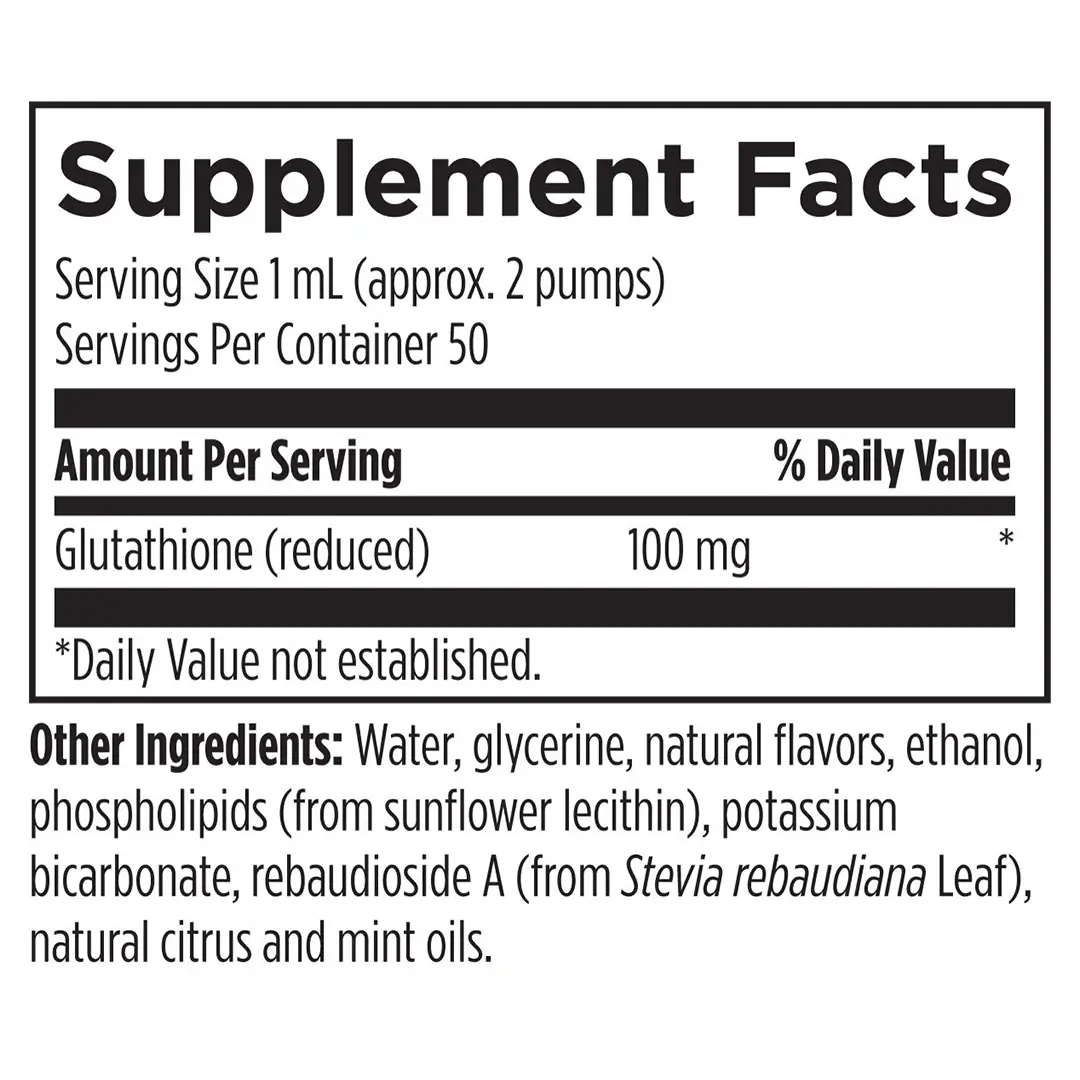
- Clear “Supplement Facts” style labeling with the actual glutathione amount per serving.
- Third-party testing or COA (certificate of analysis), especially for heavy metals and contaminants.
- Good manufacturing practice (GMP) statements.
- Transparent sourcing and stable product handling instructions.
- Reasonable dosing—not “too-good-to-be-true” megadoses without explanation.
Comparison of Common Options
Below is a practical comparison of common choices. Treat this as a “consumer decision” table—what fits best depends on tolerance, budget, and how you plan to trial results.
| Format | Typical Dose/Use | Pros | Cons | Cost | Best For |
|---|---|---|---|---|---|
| Packets/Sachets | Often 250–500 mg once daily (check label) | Easy portion control; simple routine | May include sweeteners; powder taste varies | Low to mid | Consistency-focused trialists |
| Capsules/Tablets (Reduced Glutathione) | Commonly 100–300 mg daily | No mixing; stable storage | GI sensitivity possible; harder to adjust dose | Low | Budget-first approach |
| Liposomal Liquid | Often 50–200 mg per serving (check actual glutathione content) | Easier to take; marketed for better delivery | More expensive; verify dosing exactly | Mid to high | People who want a gentler-feeling routine |
| Sublingual | Often 100–250 mg daily (varies) | Can be convenient for some | Some dislike taste; limited comparative evidence | Mid | Those who prefer non-oral swallowing |
| Alternatives/Blends (e.g., “glutathione support”) | Varies; may include NAC + vitamins | May bundle related antioxidants | Hard to isolate cause; higher chance of “stacking” side effects | Mid to high | Only if you already tolerate the blend ingredients |
Buying Framework and Red Flags
Here’s a practical buying checklist—built around what to avoid when taking glutathione and what tends to predict a smoother experience.
- Check the exact glutathione amount: ensure the label clearly states mg per serving.
- Avoid “proprietary blends” that hide the glutathione dose.
- Look for third-party testing/COA: especially for contaminants like heavy metals.
- Start low and don’t stack: avoid adding multiple antioxidants the same week.
- Watch for added exciters: some blends include extra ingredients that can affect sleep or GI.
- Be cautious with high megadoses: if a product jumps far above typical daily ranges without rationale, treat it as a red flag.
- Consider your sensitivity: if you’ve reacted to supplements before, choose the simplest formula.
- Respect “trial evidence”: if you can’t track how you feel, you’ll miss early side-effect signals.
Common Mistakes and How to Avoid Them
When people say “glutathione didn’t work for me,” what they often mean is one of these avoidable issues:
- Mistake: starting multiple new supplements together.
Avoid: introduce glutathione alone for 7–14 days, then evaluate. - Mistake: judging results after a few days.
Avoid: give your trial time and track daily observations (energy, sleep, GI comfort, skin appearance in consistent lighting). - Mistake: doubling dose to “speed up” outcomes.
Avoid: follow label instructions; if you tolerate it, only adjust gradually and deliberately. - Mistake: ignoring side effects or “pushing through.”
Avoid: if you get rash, persistent headache, vomiting, or unusual symptoms, stop and seek medical advice. - Mistake: choosing a product without clear glutathione content.
Avoid: prioritize dose transparency and testing signals. - Mistake: mixing with medications without checking.
Avoid: ask a clinician/pharmacist if you’re on prescription therapies or have chronic conditions.
FAQ
Is glutathione proven for the results people claim, and what should I avoid when taking glutathione?
Glutathione has some supportive research for antioxidant-related pathways, but it’s not proven in a guaranteed way for any single outcome like skin lightening or “detox.” The main things to avoid when taking glutathione are unrealistic expectations, hidden dosing, and stacking multiple new antioxidants at once so you can’t tell what’s helping or causing issues.
How long does it take to notice changes when taking glutathione, and what should I avoid during that time?
In consumer trials, noticeable changes (if any) are more often assessed after 2–6 weeks rather than 2–7 days. What to avoid when taking glutathione during the waiting period: changing brands, increasing dose suddenly, or starting another “similar” supplement that can confound your results.
What side effects can happen, and what should I avoid when taking glutathione if I’m sensitive?
Some people report mild stomach upset, headaches, or skin sensitivity (like rash). If you’re sensitive, avoid starting at the highest dose, avoid mixing with other new supplements immediately, and stop if symptoms are persistent or severe. If you have a history of allergic reactions, choose the simplest formula and check all label ingredients.
Can I combine glutathione with vitamin C, NAC, or other antioxidants, and what should I avoid when taking glutathione together?
Many products combine antioxidants, and some people tolerate the stack well. But what to avoid when taking glutathione with other supplements is adding several new ingredients at the same time. If you want to combine, introduce one change at a time and monitor GI comfort and sleep. Also confirm any medication-related considerations with a clinician/pharmacist.
Oral glutathione vs injection/alternatives: what should I avoid when taking glutathione, and is injection “safer”?
Oral forms are widely used as supplements, while injections are a different medical context and should not be treated as an over-the-counter alternative. What to avoid when taking glutathione broadly: assuming one route has fewer risks or automatically “works better.” If considering injections or medical-grade alternatives, ask a qualified clinician about safety for your specific health situation.
A Practical 2-Week Experiment Framework
This is designed for real-life schedules and the exact goal of your search: learning what to avoid when taking glutathione by testing tolerance and noticing whether it fits you.
| Day | Action | What to Track | Stop/Adjust If |
|---|---|---|---|
| 1–3 | Start at label dose (or lower if you’re sensitive). Take with food if GI is a concern. | Stomach comfort, headache, sleep quality, skin irritation or flushing. | Persistent headache, nausea that won’t settle, rash, or worsening symptoms. |
| 4–7 | Keep it consistent. Don’t add new antioxidants or change brands. | Energy stability, bathroom comfort (constipation/diarrhea), and any new sensitivities. | New recurring GI issues or sleep disruption. |
| 8–14 | Evaluate skin appearance in consistent lighting. Continue the dose you’re tolerating. | Skin “evenness” notes, perceived fatigue, and any side-effect recurrence. | Side effects returning after they disappeared, or any moderate/severe reaction. |
Optional consumer-style “buy decision” rule: If you had no side effects and you noticed a small but real improvement (not dramatic), you can continue cautiously for a longer period. If you had side effects, don’t “push through”—that’s exactly what to avoid when taking glutathione.
About the Author
Jordan Miller is a UK-based health and supplements reviewer who has written consumer test notes for oral wellness products, including antioxidants and skincare-adjacent supplements. Jordan’s reviews emphasize dose clarity, tolerability, and realistic outcomes, based on trial logs and ingredient-level comparisons rather than guaranteed-effect claims. This article reflects a cautious, consumer-style perspective and is not medical advice. If you’re pregnant, breastfeeding, have a medical condition, or take prescription medications, consult a qualified healthcare professional before starting glutathione or making changes to your routine.
Discussion