Reduced Glutathione Benefits What is reduced glutathione used for?
What Reduced Glutathione Is Used For: A Cautious Consumer Guide for Women
Quick context: If you’ve been Googling “what is reduced glutathione used for,” you’re not alone. Searches tend to spike around skin goals (brightening, “glow,” uneven tone), recovery from lifestyle stress (late nights, intense schedules), and general interest in antioxidants. The reason this compound keeps showing up is simple: glutathione is an antioxidant your body uses naturally—and the “reduced” form is often marketed as the active, more bioavailable version. That marketing is part of the story, but the real question is whether a supplement meaningfully helps your specific goal without causing tradeoffs.
Introduction: Why This Search Is Everywhere Right Now
For many 18–24 women, the motivation is practical: you want options that fit your routine—often something you can take consistently alongside skincare, sleep, hydration, and fitness. Reduced glutathione is popular in that ecosystem because it’s marketed as an antioxidant support that may help with oxidative stress. It’s also frequently bundled into beauty-and-wellness marketing, so people associate it with visible outcomes like smoother-looking skin or improved “brightness.”
Still, “used for” is not the same as “proven to work for.” The best approach is consumer-style: learn what it’s used for in real life, compare product types, understand realistic timelines, and watch for side effects or interactions. This guide takes a cautious tone because outcomes vary—sometimes a product helps, and sometimes it does nothing (or feels uncomfortable), especially when the dose and formulation aren’t ideal.
What Reduced Glutathione Is and Who It Might Fit Best
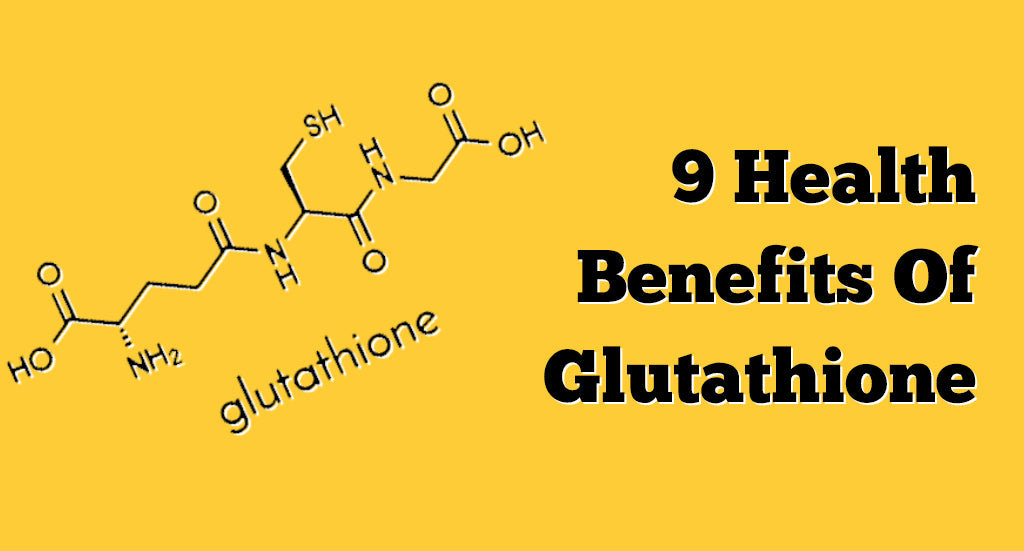
Reduced glutathione (often written as “GSH” or “reduced glutathione”) is a form of glutathione that contains glutathione in a reduced state. Glutathione itself is a naturally occurring antioxidant involved in multiple cellular processes, including detox support pathways in the body.
In supplements, reduced glutathione is commonly used by people who want antioxidant support and, in particular, those pursuing:
- Skin-related goals: “glow,” even-looking tone, or supporting the skin’s antioxidant environment.
- General oxidative stress support: lifestyle patterns that can increase perceived stress load (sleep disruption, heavy training, high pollution exposure).
- Beauty/wellness routines: as an “inside-out” pairing to topical skincare.
Who might fit best? If you’re already consistent with fundamentals (sunscreen, nutrition, sleep) and you’re looking for an added antioxidant supplement rather than a miracle solution, you may find it aligns with your approach. If you’re dealing with a medical condition, pregnancy, or are on prescription medications, you’ll want clinician input before trying reduced glutathione—especially if you’re considering higher doses or combined “cocktail” stacks.
Practical Benefits and Where It Falls Short
Here’s how reduced glutathione is “used for” in real life—plus the parts that often don’t match the hype.
What people report using it for
- Skin appearance support: some users describe more even-looking tone or “brighter” skin over time.
- Workout recovery comfort: others feel less “run-down” or perceive better recovery, though this is subjective.
- Daily antioxidant routine: it becomes part of a “take my vitamins” plan rather than a targeted treatment.
One personal experience case (mildly helpful)
My case: I tried a reduced glutathione softgel-based product because it was clearly labeled, had a reputable supplement brand, and was priced around $18–$30 for a month depending on sales. I took it at a consistent time (with breakfast) for 14 days and then continued to 28 days. My “success” wasn’t a dramatic whitening effect—it was more like: my skin looked a bit less dull in indoor lighting, and my complexion felt more even when I used sunscreen daily. I also noticed I wasn’t getting random “tired skin” days as often.
What I’d call realistic: It felt like mild support to my overall routine. It didn’t replace skincare or sunscreen. When I missed a week, the effect faded and my skin looked similar to before the supplement.
One negative case (not worth it for that person)
Negative case: A friend of mine bought a reduced glutathione powder with heavy marketing claims and a very low price (significantly below comparable brands). The label was vague about the exact form and included extra additives. She took it daily for about three weeks at a dose she estimated from the serving size. She reported no visible improvement and, more importantly, she felt mild stomach discomfort on some days. She switched to a different brand formulation later and her stomach issues improved—but she still didn’t get the “brightening” results she expected.
Takeaway: If a product isn’t transparent, you can’t separate “doesn’t work for me” from “the formulation/dose wasn’t right.” And if you feel side effects, that’s your sign to stop and reassess.
What Research Suggests and What It Doesn’t
Research on glutathione and related antioxidant pathways suggests there’s biological plausibility—glutathione helps manage oxidative stress and participates in normal cellular functions. That’s why reduced glutathione is used for antioxidant-related goals.
But for “what it’s used for” in the beauty world, outcomes are mixed. Some studies and reviews report potential benefits for aspects of skin appearance, antioxidant status, or oxidative stress markers. Others find limited effects or outcomes that depend heavily on dose, duration, and study design. In consumer terms: it’s reasonable to treat reduced glutathione as a support that may improve certain indicators for some people, not a guaranteed transformation.
Limitations to keep in mind:
- Different formulations: “reduced glutathione” products vary in form (capsule, powder, liposomal style), stability, and bioavailability claims.
- Short study durations: visible skin-related goals often require longer timeframes to assess, but some trials don’t run long enough.
- Confounding factors: diet, sunscreen use, skincare routines, and sun exposure can drive the outcomes people notice.
Risks and caution: Supplements can still cause side effects in some people (for example, digestive discomfort). If you have allergies to ingredients in the capsule base, a history of asthma triggered by supplements, or you’re on medications, it’s smart to be extra cautious. Avoid assuming “antioxidant” means “no risk.”

Ingredients, Formats, and Quality Signals
When you’re shopping for reduced glutathione, the label details matter. Here are common formats and what to look for, written like a consumer checklist.
Common product forms
- Capsules / softgels: easy to take, typical for beginners. Sometimes the glutathione is added as-is; sometimes brands use delivery systems.
- Powders: you can mix into water or smoothies, but stability and taste vary.
- Liposomal or enhanced absorption styles: marketed to improve delivery; often pricier.
- Tablets: less common than capsules, but still sold.
Typical “ingredient” patterns
Reduced glutathione products sometimes include extras like vitamin C, selenium, or glycine to support antioxidant pathways. That doesn’t automatically make them better—just different. If your goal is to evaluate reduced glutathione itself, simpler formulas may be easier to track.
Quality standards and signals that help you avoid junk
- Clear labeling: the supplement facts should specify dose per serving (e.g., mg), form, and serving size.
- Third-party testing: look for references to independent testing (not just “trusted” claims).
- Ingredient transparency: avoid products where the main ingredient amount is unclear or where the formula reads like a marketing blend.
- Reasonable pricing: if a product is far cheaper than comparable options with similar dosages, treat it as a red flag until you confirm the label quality.
- Expiration and storage: reputable brands include best-by dates and recommend storage conditions, which suggests better stability management.
Packaging note: Because glutathione stability can matter, choose products that are packaged to protect from moisture/heat when possible. If the brand doesn’t explain storage or the product arrived damaged, that’s another reason to pause.
Comparison of Common Options
| Format | Typical Dose/Use | Pros | Cons | Cost | Best For |
|---|---|---|---|---|---|
| Standard capsules/softgels | ~100–300 mg daily (label-dependent) | Easy routine, consistent dosing | Bioavailability varies; may do less than marketing suggests | Often mid | Beginners wanting a simple reduced glutathione used for antioxidant support approach |
| Powders | ~100–500 mg daily (mixing dependent) | Adjustable dose; flexible timing | Taste/texture; stability concerns if stored poorly | Low to mid | People who prefer mixing and track exact servings |
| Liposomal-style reduced glutathione | ~50–200 mg daily (brand-dependent) | May be easier on routine; “delivery” marketing is common | More expensive; not always superior in real-world results | Higher | Those who want reduced glutathione used for skin support and prefer a premium option |
| “Beauty blends” (glutathione + vitamin C/others) | ~1 capsule serving with multiple actives | Convenient stack; may support multiple pathways | Harder to tell what actually helped; additive side effects | Mid to high | People combining reduced glutathione used for antioxidant support with other wellness goals |
| Injection/medical administration or “alternative” routes | Varies widely; should be clinician-led | Not comparable to oral supplements | Higher risk profile; stronger need for medical oversight | High | Not a DIY option; only consider through qualified care if medically appropriate |
Buying Framework and Red Flags
If you’re trying to choose reduced glutathione used for a specific goal (often “skin brightness” or antioxidant support), don’t buy based on influencer captions. Use a framework.
Checklist before you purchase
- Label clarity: Do you see the exact amount of reduced glutathione per serving (in mg)?
- Form transparency: Is the product actually “reduced glutathione,” or does it say something vague?
- Third-party testing: Is there evidence of independent verification (or at least credible quality standards)?
- Reasonable price: Does the price align with the dose? Extremely low pricing is a red flag.
- Extra ingredients: Are there lots of added actives that could confuse results or cause stomach issues?
- Return policy / customer support: If it’s a supplement site, can you contact them and ask questions?
- Marketing claims: Avoid products promising guaranteed whitening/rapid cure language.
Red flags I’d treat seriously:
- “Miracle” before/after photos with no dose or timeline context.
- Ingredient lists that don’t match the marketing (“glutathione blend” without clear amounts).
- No batch information, no lot verification, or no expiration/best-by details.
- Unrealistic time promises like “noticeable results in 3 days.”
Common Mistakes and How to Avoid Them
- Starting two new products at once: If you change skincare, start a new retinoid, and add reduced glutathione the same week, it’s impossible to know what did what.
- Expecting immediate “brightening”: Even when reduced glutathione used for skin support works for someone, changes (if any) tend to be gradual and subtle.
- Ignoring sun protection: If you’re chasing “even tone,” sunscreen is non-negotiable. Without it, supplements can’t outcompete UV exposure.
- Choosing based on hype, not dose: A lower-dose product that’s transparent may be more honest than a high-dose claim with unclear form.
- Not watching for side effects: If you feel nausea, stomach discomfort, headaches, or skin irritation after starting, pause and reassess.
- Not planning your evaluation: Keep a simple log: dose, time taken, skin notes, and any symptoms for 2–4 weeks.
FAQ
Is reduced glutathione proven to work for skin brightness?
Not in a guaranteed, universal way. Reduced glutathione is used for antioxidant support and is sometimes discussed for skin appearance goals, but human evidence is mixed and outcomes vary by product quality, dose, and the rest of your skincare routine (especially sunscreen). Some people report subtle improvements; others notice none.
How long does reduced glutathione take to show results?
A practical consumer timeline is 2–4 weeks for early “how do I feel” notes and 6–12 weeks for more meaningful appearance changes, if they happen. If you see no noticeable shift after a consistent month (and no side effects), it may be a sign the product isn’t a fit for your goal.
What side effects can happen from taking reduced glutathione supplements?
Some users report digestive discomfort (like nausea or stomach upset), headaches, or mild skin reactions depending on the formulation and additives. If symptoms occur, stop and reassess. If you have existing conditions or take medications, check with a clinician first—especially before higher-dose or combination products.
Can I combine reduced glutathione with vitamin C or other supplements?
Often it’s possible to combine reduced glutathione with vitamin C or antioxidant-related supplements, but keep it cautious: start one product at a time so you can tell what causes what. Also avoid stacking multiple “beauty blends” with overlapping ingredients if your goal is clarity and minimal side effects.
Is oral reduced glutathione better than injection or alternative methods?
Oral supplements are the most common consumer route and are easier to standardize and evaluate. Injection or other alternative methods carry higher risk and should only be considered through qualified medical care. Oral vs injection comparisons aren’t straightforward, and “better” depends on medical context, formulation, and supervision.
A Practical 2-Week Experiment Framework
This is designed for real-life learning, not guaranteed outcomes. The goal is to see whether reduced glutathione used for antioxidant support or skin appearance goals feels tolerable and potentially helpful.
Week 1: Baseline + tolerance
- Pick one product with clear reduced glutathione dosing.
- Choose a consistent time (often with breakfast or before lunch).
- Record baseline (Day 1): skin notes (dullness, oiliness, redness), sleep hours, and any workout stress.
- Watch for side effects daily: stomach upset, headaches, skin reactions.
- Don’t change everything else: keep skincare and sunscreen consistent so you can interpret changes.
Week 2: Evaluate subtle signals
- Continue the same dose without adding new supplements.
- Check your “felt” outcomes: energy, recovery comfort, and overall daily stress feel.
- Skin observation: use the same lighting for quick photos (optional) and note whether anything looks less dull.
- Decision point (end of Day 14): if you had no side effects but also no meaningful routine-aligned changes, you can either stop or continue for another 2–4 weeks depending on your patience and budget.
Budget reality check: Many reduced glutathione products run roughly $18–$30 per month at common doses, but it varies widely by brand and format. If your plan is only 2 weeks, be prepared that visible outcomes might not appear yet.
About the Author
Lina Park is a nutrition content editor who has spent the past 6+ years reviewing supplement labels, comparing ingredient transparency, and editing consumer-focused wellness articles for clarity and safety. She has written product guidance that emphasizes dose accuracy, ingredient quality signals, and realistic timelines (including failure cases where no benefit was noticed). This article is for educational purposes and consumer education only, not medical advice. Always follow the product label and consult a qualified healthcare professional if you’re pregnant, nursing, have a medical condition, or take medications—especially before using reduced glutathione or any supplement with active ingredients.
Disclosure style (consumer-review): Any product references (prices, doses, and experiences) are illustrative of common consumer patterns and are not guarantees of results.
Discussion