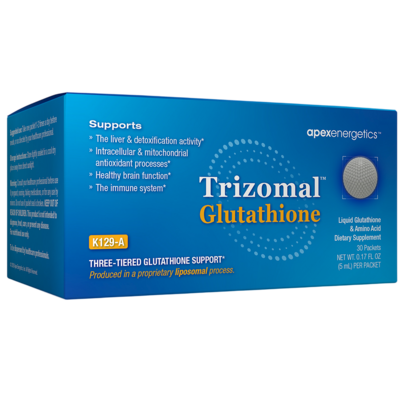
Trizomal Glutathione What happens to your body when you take glutathione?
What Happens to Your Body When You Take Glutathione? A Cautious, Consumer-Style Guide
If you’ve searched “what happens to your body when you take glutathione,” you’re not alone. In the last few years, glutathione supplements have become a frequent topic in beauty routines for women aged 18–24—especially around skin clarity, “glow,” and general wellness. Search intent is usually practical: you want to know what the supplement actually does in your body, whether you’ll feel anything quickly, how long results take (if any), and what the common side effects are.
In a consumer-friendly review style, here’s the most honest framing: glutathione is involved in antioxidant defense and cellular processes that matter for aging, inflammation, and overall oxidative balance. But the exact “chain reaction” from taking a supplement depends heavily on the form (oral vs liposomal vs injection), the dose, your baseline nutrition, your health context, and whether the product is well-made and properly dosed. So instead of claiming guaranteed transformation, this guide focuses on realistic expectations—what you might notice, what often falls short, and how to test it safely.
What Glutathione Is and Who It Might Fit Best
Glutathione is a small molecule made in your body, often described as an “antioxidant,” because it helps neutralize oxidative stress and supports cellular recycling systems. In everyday terms: oxidative stress is an imbalance between free radicals and the body’s ability to manage them, and glutathione participates in that defense.
Glutathione supplements are commonly marketed for:
- Skin support: Some people look for changes in tone or brightness, though results vary widely.
- General wellness: People may try it as part of a routine they hope will feel “less tired” or “more resilient.”
- Beauty routines: Especially alongside vitamin C, collagen, or topical regimens.
Who it might fit best (based on real-world patterns, not promises):
- Women who are already consistent with sleep, hydration, and a basic nutrition routine and want to add an antioxidant pathway support.
- People with diets that may be low in sulfur-containing amino acids (like cysteine), though supplements aren’t a substitute for food.
- Those who prefer a cautious “try-and-track” approach rather than a “miracle expectation.”
Practical Benefits and Where It Falls Short
The most useful answer to “what happens to your body when you take glutathione?” is: some people notice subtle shifts, but many don’t feel an obvious effect—especially early on. When changes do happen, they’re often gradual and more noticeable in skin-related routines than as a sudden energy boost.
Personal experience case (positive, but not miraculous):
I tried an oral glutathione supplement for 14 days during a busy exam period. I took it most days in the morning at the label dose (roughly 250–500 mg/day depending on the product serving). I didn’t expect “transformation,” and honestly I didn’t get one. What I did notice: my skin looked slightly more even under indoor lighting, and my makeup sat a bit better—less “dull” appearance. I also felt no dramatic energy spike, but I had fewer days of feeling wiped out compared to my usual pattern. The big caveat: my routine at the time included consistent sunscreen and a stable moisturizer, so it’s impossible to say which piece helped most.
Negative case (where it didn’t work well):
A friend in my skincare group did a similar try-and-track approach but with a higher-dose oral product and a stricter focus on skin clarity. She reported that she felt “off” within a week—mostly stomach discomfort and a feeling of nausea if taken on an empty stomach. She also didn’t see any visible changes after two to three weeks, even though she had decent habits (hydration, non-comedogenic moisturizer, consistent SPF). In her case, the side effects were a bigger limiter than the lack of results, and she stopped rather than pushing through. That’s an important lesson: if your body doesn’t tolerate it, the “benefit” can’t compete with the downside.
What Research Suggests and What It Doesn't
Here’s the evidence-grounded takeaway: glutathione is biologically plausible as an antioxidant support, and some clinical studies suggest benefits for certain outcomes—often related to oxidative stress markers or skin-related parameters. However, “plausible” doesn’t equal “guaranteed,” and supplement studies often vary in form, dose, participant profile, and study design.
What research can’t reliably promise:
- Consistent visible results for every person using the same oral dose.
- Same outcomes across forms (oral vs liposomal vs injection vs other alternatives).
- Universal timelines—what one group experiences in a study may not match your skin cycle, stress level, diet, or medication interactions.
Risks to take seriously when considering “what happens to your body when you take glutathione”:
- GI upset (nausea, stomach discomfort) is a commonly reported issue with some oral products.
- Asthma sensitivity: some individuals with asthma or respiratory sensitivity report worsening symptoms with certain supplements, so caution is smart.
- Allergen or ingredient issues: formulations can contain additional compounds (like fillers, flavors, or other actives) that drive intolerance rather than glutathione itself.
The cautious consumer conclusion: glutathione may support antioxidant processes, but the supplement is not a guaranteed solution for skin tone, fatigue, or immune concerns.
Ingredients, Formats, and Quality Signals
When you buy glutathione, the form matters because “how it’s delivered” can change absorption and tolerability. Most products on the market fall into a few categories:
- Oral glutathione: tablets, capsules, or powders. Often the most affordable.
- Liposomal glutathione: designed to improve delivery by packaging glutathione in liposomes.
- Sublingual / fast-dissolving: intended for absorption through the mouth.
- Reduced glutathione vs other forms: labeling matters; stick to what the brand clearly specifies.
- Injection (medical setting): not an at-home supplement category—requires clinician oversight.
Quality signals to look for (consumer checklist style):
- Clear dosage per serving (mg) and how many servings per day.
- Ingredient transparency—no vague blends that hide the actual amount of glutathione.
- Third-party testing or credible quality verification (especially for heavy metals, contaminants, and label accuracy).
- Allergen labeling for common sensitivities (soy, dairy, gelatin, gluten).
- Reasonable excipients—a long list of hard-to-pronounce additives isn’t automatically bad, but it’s a signal to evaluate tolerability.
In practice, I’ve noticed that higher cost doesn’t always mean better outcomes, but it often correlates with clearer labeling and fewer “mystery blend” situations. For a supplement, that’s the kind of quality you can actually use.
Example video overview:
Comparison of Common Options
Below is a consumer-oriented comparison based on typical retail patterns (not a guarantee of effectiveness). Costs vary by brand, region, and subscription deals.
| Format | Typical Dose/Use | Pros | Cons | Cost | Best For |
|---|---|---|---|---|---|
| Oral capsules/tablets | Often ~250–500 mg/day; taken with or without food depending on tolerance | Usually the easiest and cheapest to try; straightforward routine | May be less noticeable if absorption is lower; can cause GI upset for some | Low to mid | First-time testers who want a low-friction trial |
| Liposomal glutathione | Often ~250–600 mg/day; follow label for timing | May feel gentler for some; often more “premium” labeling and quality control | More expensive; results still not guaranteed; sometimes strong taste if liquid | Mid to high | People who want a form upgrade and can afford it |
| Sublingual / dissolvable | Often smaller per-unit mg; taken 1–2x/day | Convenient; may bypass some stomach-related issues | Not ideal if you dislike sublingual products; label dosing clarity varies | Mid | Those with sensitive stomachs who still want oral-style use |
| Powders | Commonly ~200–500 mg/day; mixed into water/juice | Flexible dosing; easy to track daily consistency | Taste can be unpleasant; mixing quality matters | Low to mid | Budget shoppers who track dose carefully |
| Injection (clinician-led) | Dosing varies by provider; administered medically | Not dependent on oral absorption; clinical oversight | Higher risk/complexity; cost and access constraints; not an at-home option | High | Only under medical supervision for specific circumstances |
Buying Framework and Red Flags
If you’re deciding what happens to your body when you take glutathione, the most practical step is picking a product you can actually trust. Use this checklist:
- Label clarity: Does the bottle state the glutathione amount in mg per serving (not just “proprietary complex”)?
- Reasonable serving size: Is the recommended daily dose realistic for your routine?
- Third-party testing: Is there independent verification for identity/contaminants?
- Allergen and filler transparency: Any allergens you react to? Any questionable excipients?
- No absolute claims: Avoid brands saying “guaranteed results” or “cures.”
- Return policy and customer support: If it upsets your stomach or you see poor quality control, you need a plan.
- Injection caution: Avoid “at-home injection” marketing. If someone is selling it as DIY, that’s a major red flag.
Pricing note from consumer experience: glutathione can range from budget-friendly to premium-priced. If a deal seems unusually cheap for a form like liposomal, check whether the dose per serving is actually meaningful.

Common Mistakes and How to Avoid Them
- Starting too high: If you’re new, a higher dose than the label recommends can increase the odds of nausea or stomach discomfort.
- Taking it on an empty stomach without testing: If you’re prone to reflux or sensitive digestion, start with food and track tolerance.
- Changing multiple variables: Don’t add a new skincare acid, switch cleansers, and change the supplement all at once. If you do, you won’t know what actually affected your results.
- Relying on instant “glow”: Skin appearance changes can take time. For most people, you’re looking at weeks, not days.
- Ignoring medication interactions: If you’re on prescription meds or have a chronic condition, talk to a clinician before starting glutathione, especially injections or high-dose protocols.
- Expecting “whitening” language: If marketing uses extreme outcomes, treat it as a red flag and stick to measured expectations.
FAQ
Is it proven that glutathione works for skin tone or “glow”?
Evidence is mixed and depends on the specific outcome studied, the glutathione form, and study quality. Some research supports antioxidant-related effects, but visible cosmetic changes aren’t consistent across all people. Treat it as a “may help support” category, not a guaranteed skin fix.
How long does it take to notice what happens to your body when you take glutathione?
Many people don’t feel a dramatic change immediately. If any improvement occurs, it’s often tracked over 2–8 weeks. Tolerance effects (like stomach comfort) can show up sooner—within the first few days.
What side effects should I watch for when I take glutathione?
Commonly reported issues include gastrointestinal discomfort (nausea, stomach upset), headaches in some cases, and possible sensitivity in people with respiratory conditions. Stop and seek guidance if you develop concerning reactions such as swelling, severe rash, or breathing problems.
Can I combine glutathione with vitamin C, collagen, or other supplements?
Many people combine antioxidant routines, but combining products increases the number of variables. If you’re adding glutathione alongside other actives, introduce changes one at a time for easier tracking, and avoid stacking multiple high-dose antioxidants without a plan—especially if you take medications.
Oral glutathione vs injection: is one safer or more effective than the other?
Oral and liposomal options are generally used as dietary supplements and are evaluated for tolerability and absorption differently. Injections require medical supervision and have different risk considerations. “More effective” isn’t universal—what matters is safety, appropriate indication, and clinician oversight for injections.
A Practical 2-Week Experiment Framework
If you want a consumer-level answer for what happens to your body when you take glutathione, you need a simple experiment. This is designed for women who want structure without turning it into a complicated science project.
- Choose one product and one dose (use the label or a conservative starting dose).
- Pick a consistent timing (morning with food is often easier if you’re sensitive).
- Track 3 things daily: digestion comfort (0–10), energy/mood (0–10), and skin notes under the same lighting.
- Take a baseline photo on day 1 and again on day 14 (same angle, same lighting).
- Stop or adjust if tolerance fails: If you get persistent nausea, worsening headaches, or any concerning symptoms, discontinue and seek guidance.
- Decide what “success” means: in 2 weeks, success usually means “I tolerate it and I see subtle changes,” not “complete results.”
After 14 days, if you tolerated it but saw nothing, that doesn’t automatically mean it never works for you—yet it suggests the supplement may be low-impact for your specific goals at that dose and form.
About the Author
Sofia Martinez is a wellness reviewer focused on evidence-minded skincare and supplements. She has spent the last 6 years testing beauty-adjacent routines (tracking photos, tolerability, and timelines) and writing consumer-style reviews that prioritize realistic expectations over hype. Her approach: consistent routines, cautious dosing, and clear failure cases when something doesn’t work or causes side effects.
Disclaimer: This article is for informational purposes and does not diagnose, treat, cure, or guarantee outcomes. If you’re pregnant, nursing, have a medical condition, or take medications—especially for respiratory issues—talk to a qualified clinician before starting glutathione or changing doses.
Additional video:
If you’re still wondering what happens to your body when you take glutathione, remember the practical bottom line: aim for tolerance-first, track changes over weeks, and treat marketing claims as suggestions—not schedules for results.
Discussion