Glutathione Iv Near Me How much does an IV cost?
How Much Does an IV Cost? A Consumer-Style Guide to Pricing, Dosage, and What to Watch For
If you’re wondering how much does an IV cost, you’re not alone. IV therapy has become a frequent “wellness” option for busy women in their mid-20s to mid-30s—often searched alongside fatigue, travel hangovers, “recovery days,” or a general push for feeling more energized. The attention makes sense: IVs promise quick delivery compared with oral supplements, and pricing is often discussed online, but the real-world cost can be confusing.
When you search, you’re usually looking for a practical answer: what the session costs, what dose you actually get, how long it takes, and whether it’s worth it for your situation. The difficulty is that the market is inconsistent—two providers can both say “vitamin IV” while offering different ingredient lists, different dilutions, different monitoring, and different levels of medical screening.
So here’s the consumer-style approach: I’ll explain how pricing typically breaks down, what to expect from common formulations, and the evidence context in plain language. I’ll also include real “case” examples (a positive experience and a negative one) and a checklist of red flags so you can evaluate offers confidently—without assuming outcomes are guaranteed.
What How Much Does an IV Cost? Is and Who It Might Fit Best
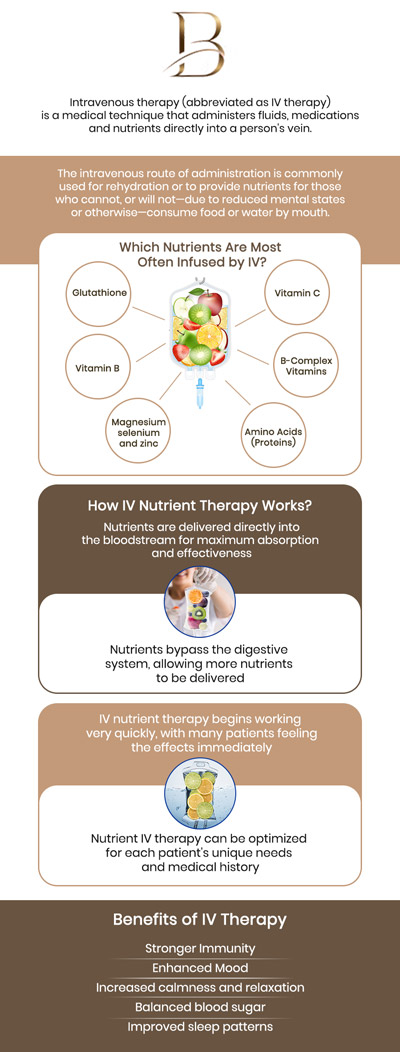
At a high level, IV therapy involves administering a solution directly into your bloodstream through an IV catheter. “How much does an IV cost” varies because the cost is tied to the formulation (electrolytes vs. vitamins vs. amino acids), the complexity of the session, and clinic logistics. Most wellness IV clinics offer packaged combinations rather than “custom” prescriptions, though some will tailor add-ons after an intake.
Who it might fit best:
- People who have a specific short-term goal they can’t reach easily with food or oral supplements (for example, rehydration after a travel-heavy week).
- Individuals who can attend a real appointment where a clinician checks vitals/history and monitors you during the infusion.
- Those comfortable treating it as a “trial,” not a long-term medical plan—especially if you want to see how your body responds.
Who should be extra cautious or avoid DIY thinking:
- If you have kidney disease, heart failure, uncontrolled hypertension, a history of severe allergic reactions, or are on medications that require strict fluid/electrolyte management.
- If you’re pregnant or breastfeeding (it’s not always “automatically unsafe,” but it requires clinician guidance and ingredient-specific risk review).
- If you’re dealing with symptoms that may be medical—not just “low energy,” such as chest pain, persistent shortness of breath, or unexplained weight loss.
In other words, the question “how much does an IV cost” is really two questions: price and appropriateness. Even if the session is affordable, it may not be the right tool for you.
Practical Benefits and Where It Falls Short
The most common practical appeal I hear (and what I personally looked for) is the combination of convenience and a “noticeable difference” for some people—often described as improved hydration, reduced sluggishness, or an overall “reset” feeling after a busy stretch.
Personal experience case (worked for me, with limits): I booked a hydration-style IV priced similarly to many standard sessions I found while researching how much does an IV cost. My session included electrolytes and a basic vitamin component. The appointment time was roughly 60 minutes total (intake + IV placement + infusion + a short observation period). I felt more “even” energy later that day, and my headache tendency that week seemed to calm down after I stayed hydrated afterward. But I didn’t feel like my underlying lifestyle stress vanished—two days later, my routine returned to normal, and the benefit faded. If you go in expecting a permanent fix, it’s easy to feel disappointed.
Negative case (didn’t work out, and it wasn’t dramatic): A friend tried a vitamin-focused IV after seeing social posts. The clinic offered add-ons that were marketed as “boosters,” which raised the total price. During the infusion, she felt nauseated and slightly lightheaded, and the nurse paused to slow the rate and check her vitals. She finished, but the effect she hoped for never came. What made it worse was the lack of a clear pre-screen conversation—she had a history of sensitivity to certain supplements and felt the provider didn’t ask enough detail. The session ended up being more “expensive hydration with discomfort” than a meaningful improvement.
Where IVs often fall short:
- Short-lived effects if they’re not paired with sleep, diet, hydration habits, and stress management.
- Expectation mismatch (people think it’s comparable to a prescription therapy; it’s often a wellness product).
- Price escalation when add-ons aren’t clearly itemized up front—this is one reason people keep searching how much does an IV cost after seeing the final receipt.

What Research Suggests and What It Doesn't
Here’s the evidence reality check. IV therapy in wellness settings is often studied less rigorously than standard medical infusions. Some components—like fluids and electrolytes—are well understood in clinical medicine, and there’s good reason clinicians use IV fluids in dehydration or specific medical conditions. But “wellness IV cocktails” combine multiple ingredients, doses, and durations that are not always studied as a standardized product.
What research tends to support more clearly:
- Hydration and electrolyte replacement when someone is genuinely dehydrated or has abnormal electrolyte balance.
- Medical-use contexts where IV administration is necessary (for example, specific nutrient deficiencies diagnosed by labs, or medications that cannot be given orally).
What research is less able to confirm for most “IV booster” mixes:
- Consistent improvements in fatigue or long-term energy across different people.
- “Immune support” claims when the infusion is not tied to diagnosed deficiency or measured immune outcomes.
- Durable weight or detox effects (these claims are often marketing-driven rather than evidence-driven).
Risks to respect (and why they matter even if you’re paying for convenience):
- IV site problems like irritation, bruising, or infection risk (any invasive procedure has some risk).
- Allergic or infusion reactions depending on ingredients.
- Electrolyte or fluid issues for people who shouldn’t receive extra volume or certain salts.
- Overuse if someone repeats sessions without assessing whether they’re addressing a root cause (like anemia, thyroid issues, vitamin deficiencies, sleep disorders, or stress).
So if you’re calculating how much does an IV cost, pair that with a safety calculation too: who’s giving it, how they screen you, and what exactly is inside your bag.
Ingredients, Formats, and Quality Signals
The most practical way to judge value is to stop thinking in vague categories (“vitamin drip”) and start looking at the ingredient list and how it’s delivered.
Common product forms you’ll see:
- Hydration IV (electrolytes, sometimes small amounts of vitamins; often the most straightforward pricing).
- Vitamin “cocktails” (commonly B-complex variants, vitamin C, sometimes magnesium).
- Amino-acid or “glutathione” add-ons (often marketed for antioxidant support).
- Myers-style blends (a branded recipe concept that typically includes magnesium, B vitamins, and vitamin C—varies by provider).
- Specialty add-on boosters (additional vitamin C, extra magnesium, or other components layered onto a base).
Quality signals to look for before you pay:
- Clear ingredient lists and dosing language (not just marketing slogans).
- Clinician-led intake that asks about allergies, kidney/heart conditions, pregnancy status, and current meds.
- Standardized protocols like monitoring vitals and having a plan if you react.
- Transparent pricing with add-on costs shown before the infusion begins.
- Sanitation practices (sterile supplies, glove use, correct disposal).
How to interpret “typical dose”: Many wellness clinics advertise “standard bags,” but the actual milligram amounts can differ. If the clinic can’t give specific dosing, treat it as a yellow flag—especially if you’re comparing how much does an IV cost across providers.
Comparison of Common Options
Because you asked about pricing, the table below uses typical session patterns people encounter. Exact costs vary by region, provider, and add-ons—so treat these as budgeting ranges and confirm the line-item total before you book.
| Format | Typical Dose/Use | Pros | Cons | Cost | Best For |
|---|---|---|---|---|---|
| Hydration IV | Electrolytes ± basic vitamins; often ~30–45 min infusion | Most straightforward ingredient profile; easy to trial | Effects may be temporary; not a substitute for medical care | Often lower; commonly ~$100–$250 per session | Busy weeks, travel recovery, general rehydration support |
| Vitamin “B-Complex” / Energy Blend | B vitamins (and sometimes magnesium); ~45–60 min infusion | May align with people who feel run-down; typically well-tolerated | If you’re not deficient, the benefit may be subtle; add-ons can raise price | Often mid-range; ~$150–$350 per session | Perceived low energy days (trial mindset) |
| Vitamin C + Myers-Style Blend | Vitamin C + magnesium + B vitamins (varies); ~60 min infusion | Popular “all-in-one” option; more components | Harder to know what you’re responding to; higher cost | Commonly ~$200–$450 per session | People who want a structured blend rather than single-ingredient focus |
| Glutathione / Antioxidant-Positioned IV | Glutathione ± vitamin C; ~45–60 min infusion | Clear “star ingredient” framing; often priced as premium | Evidence is less consistent for wellness outcomes; ingredient reactions possible | Often higher; ~$250–$600+ per session | Those who specifically want to trial antioxidant-positioned formulas |
| Add-on Boosters (e.g., extra magnesium/vitamin C) | Layered onto base bag; ~10–20 min incremental | Lets you customize budget and goals | Total price can creep; hard to attribute effects | Often ~$30–$150 per add-on | People trying to control how much does an IV cost without upgrading everything |
When comparing, ask: what is included in the base price, what add-ons are optional, and what is the total out-the-door cost? That’s the fastest path to answering how much does an IV cost in your real case.
Buying Framework and Red Flags
Think of your decision like you’re buying a medical-adjacent service: you want competence, transparency, and a reasonable safety posture. Price is important, but it’s not the only filter.
Checklist before you pay:
- Do they give a line-item quote? Ask for base infusion cost plus each add-on fee.
- Can they tell you ingredients and typical dosing? If they can’t, consider walking away.
- Who is staffing the session? Verify clinician credentials (nurse/medical oversight) and their role in monitoring.
- Do they ask about allergies and medical history? Specifically: kidney/heart conditions, pregnancy/breastfeeding, and current meds.
- What vitals/observation do they do? A short observation period isn’t just formality.
- Do they warn you about potential side effects? If they only describe benefits, that’s a red flag.
- Is sterilization protocol described? Expect sterile supplies and proper disposal.
- Do they avoid guaranteeing outcomes? Any “you will feel X in Y hours” promise is a caution signal.
- Do they offer a safe alternative if you react? Ask what happens if you feel unwell during infusion.
Red flags that often show up with “too-good” pricing:
- Unclear ingredient menus or generic “proprietary blends” with no disclosure.
- Pressure to buy packages immediately or sign up for “series” plans without a trial rationale.
- Minimal intake questions or skipping vitals checks.
- Receipts that differ from what you were quoted.
- Mobile setups that don’t explain how they handle sterility, supplies, and emergency readiness.
Common Mistakes and How to Avoid Them
Here are the most common “how much does an IV cost” pitfalls I see in consumer conversations—along with how to avoid them.
- Mistake: Comparing prices without comparing ingredients. A cheaper session can include fewer components or smaller servings. Compare apples to apples by asking what’s in each bag.
- Mistake: Assuming the benefit will be dramatic. Plan a trial, not a life-changing expectation. If you don’t track your response for a couple days, you’ll struggle to tell whether it helped.
- Mistake: Overbuying add-ons. Add-ons can turn a budget session into a premium bill. If you want to test value, choose a base formulation first.
- Mistake: Skipping the safety conversation. If you don’t want to list your medical history, reconsider the visit. Good providers ask because they’re managing risk.
- Mistake: Repeating too quickly. If you’re experimenting, space sessions and evaluate. Too many sessions in a short window makes it hard to judge safety and effectiveness.
- Mistake: Treating IV wellness as a substitute for labs. If you suspect deficiency (like iron/B12), ask your clinician about appropriate testing instead of guessing.
FAQ
Is it proven that IV therapy works for fatigue? Evidence is stronger for clinically indicated uses (like dehydration or diagnosed deficiencies). For wellness IV cocktails, studies are less consistent, and individual outcomes vary.
How long does an IV take from check-in to finish? Many wellness sessions take about 60–90 minutes total, including intake, IV placement, infusion time, and a brief observation period.
What are common side effects of IV vitamin drips? Possible effects include nausea, dizziness, headache, redness/bruising at the IV site, and allergic-type reactions depending on ingredients. Rate adjustments can help in some cases.
Can I combine an IV with oral supplements or medications? Sometimes, but it depends on the ingredients and your medication list. Ask the provider (and your clinician if needed) before combining, especially with electrolyte-affecting meds or if you’re pregnant/breastfeeding.
Is oral vitamin supplementation as good as an IV, or is an alternative better? Oral supplements can work when you’re deficient and when dosing is appropriate. IVs may be considered when oral options aren’t tolerated, when absorption issues exist, or when medically indicated—but “better” depends on your specific situation.
A Practical 2-Week Experiment Framework
If your real goal is to decide how much does an IV cost for you, use this simple two-week framework like a consumer trial. It keeps you from paying for “hope” without learning anything.
Day 1: Choose one session and document basics. Pick one base option (hydration or a vitamin blend). Avoid major add-on upgrades for the first trial. Before you go, note: sleep quality, hydration habits, caffeine intake, stress level, and your top symptom (fatigue, sluggishness, post-travel recovery).
Day 2–3: Track immediate changes. Within 24 hours, record any noticeable differences: energy level, headache pattern, digestion changes, and how your mood feels. If you felt anything negative during the infusion (lightheadedness, nausea), write it down.
Day 4–7: Track follow-through. A common pattern is that the “reset” is temporary. Compare your baseline routines: did you maintain hydration, did sleep improve, did your schedule soften? Be honest—sometimes the benefit is partly lifestyle synchronization.
Day 8–14: Decide whether to repeat, pause, or switch. If you felt meaningful improvement lasting a few days, you might consider one more session later (not necessarily immediately). If you had minimal benefit or side effects, pause and reconsider the ingredient choice—or consider medical evaluation if symptoms persist.
How to judge cost value: Write your total out-of-pocket cost for the session (including add-ons, fees, and travel if applicable). Then decide whether the benefit you observed was worth that amount for your life, not someone else’s.
About the Author
Evelyn Hartwell is a health-and-lifestyle reviewer who focuses on real-world consumer testing of wellness services, including infusion-based recovery experiences. She has spent years writing product-style evaluations that emphasize ingredient transparency, safety screening, and how pricing shows up on receipts—not just promotional posts. Her reviews include documented trial notes (what was purchased, what dosage/format was used when disclosed, how long sessions took, and what changed afterward), plus failure cases when outcomes didn’t match expectations.
Disclaimer: This article is for informational purposes and reflects consumer-style observations, not medical advice. IV therapy involves risks and may be inappropriate depending on your health history, medications, or pregnancy status. Always ask a qualified clinician about suitability and contraindications before treatment.
Discussion