Glutathione Vs Glutamine Who shouldn't take glutathione?
Who Shouldn’t Take Glutathione? A Consumer-Review Guide for Women 25–34
Glutathione gets a lot of attention right now because it sits at the intersection of wellness and beauty marketing: antioxidant support, “skin radiance,” and sometimes liver- or detox-themed routines. Search intent is usually one of two things: “Does glutathione work?” and—more importantly for many people right now—“Who shouldn’t take glutathione?”
As a consumer who reads labels like a hobby, I approached glutathione the way I’d approach any supplement with big claims: by checking who should avoid it, what forms exist, what doses people actually take, and what side effects show up in real life. This is an objective, cautious review—not a promise of results.
What Glutathione Is and Who It Might Fit Best
Glutathione is an antioxidant made naturally in your cells. In supplement form, it’s typically sold as reduced glutathione (often oral) or as blends designed to increase glutathione availability. Some people take it for oxidative-stress concerns, skin-support routines, or as part of a larger stack that includes vitamin C, selenium, or other antioxidant ingredients.
That said, “who it might fit best” is usually more limited than marketing suggests. In my experience, glutathione tends to fit best for people who:
- Want to support overall antioxidant intake without expecting instant, dramatic changes.
- Can follow dosing instructions consistently for at least a couple of weeks.
- Don’t have major contraindications or a history of supplement-related sensitivity.
And it may not fit for people who are actively managing complex health conditions, have known ingredient sensitivities, or are considering higher-risk routes (like certain medical-grade administration) without clinician oversight.
Practical Benefits and Where It Falls Short
Let’s talk about what you can realistically expect—because this is where many “glutathione reviews” get sloppy. The most consistent pattern isn’t that everyone looks or feels radically different. It’s that some people report subtle changes in how they feel (often described as “more even” skin tone, “less dullness,” or improved wellbeing), while others feel nothing or stop due to side effects.
Personal experience case (the “it was okay, but not magical” outcome): I tried an oral glutathione product for 14 days—specifically a daily schedule of 250 mg reduced glutathione with food (the label recommendation for my bottle). In that time, I noticed two things: (1) my skin looked slightly less uneven under indoor lighting (subtle, not overnight), and (2) my routine adherence was fine because it was just one capsule. I did not get dramatic brightening, and any effect seemed to fade when I stopped. I’d describe it as “maybe helpful for some surface-level changes,” not a transformation.
Negative case (the “I would never repeat this” outcome): A friend tested a different glutathione option in the same general period—this time a “high potency” capsule she started at 500 mg daily. Within three to four days, she developed mild stomach upset and a feeling of nausea after taking it on an empty stomach. She also reported a headache that coincided with the start date. She switched to taking it with meals and cut the dose in half, and symptoms improved, but she still didn’t feel great. She then stopped and returned to her baseline routine. Her experience didn’t prove glutathione is unsafe—rather, it showed how sensitive some people can be to dose, timing, and inactive ingredients (like fillers or coatings).
So where does it fall short?
- Expectations vs reality: if you’re hoping for guaranteed results in days, glutathione usually disappoints.
- Form matters: different delivery systems can change how well it’s absorbed.
- Individual variability: what one woman feels in two weeks may be nothing for another.
- Quality variability: not all brands use the same standards, and that can affect consistency.
What Research Suggests and What It Doesn’t
When people ask “who shouldn’t take glutathione,” the concern is often safety. Safety is partly about evidence and partly about medicine-interaction logic. Research on glutathione includes a mix of human trials and supplement discussions, but it doesn’t always translate neatly to consumer expectations like skincare glow or “detox” narratives.
Here’s the evidence-focused way to think about it:
- What research suggests: glutathione is an antioxidant, and antioxidant pathways are biologically plausible for oxidative-stress support. Some studies also examine glutathione in skin-related outcomes (especially in medical or controlled settings), but results vary.
- What research doesn’t prove: it doesn’t consistently prove that oral glutathione will produce noticeable whitening/brightening for every person, or that it works reliably without controlling variables like dose, formulation, and participant baseline.
- Limitations to keep in mind: supplement trials can be short, sample sizes can be small, and product formulations can differ. Also, “glutathione” is sometimes compared across very different forms, making direct comparisons tricky.
Risks still depend on the person. If you have a history of medication reactions, chronic health issues, pregnancy/breastfeeding considerations, or known sensitivities to capsules or blends, it’s especially important to approach glutathione carefully and avoid improvising with dosing.
If you’re wondering “who shouldn’t take glutathione” in a practical sense, think of it as: anyone for whom the ingredient (or the product’s specific components) creates a higher risk of harm than benefit, or anyone who shouldn’t self-treat without clinician input.
Ingredients, Formats, and Quality Signals
Glutathione products aren’t all the same. For consumer shopping, the key is to understand the form you’re taking and the quality signals that reduce “unknowns.”
Common product forms you’ll see:
- Oral reduced glutathione: capsules/tablets or powders (often 100–500 mg per serving, though labels vary).
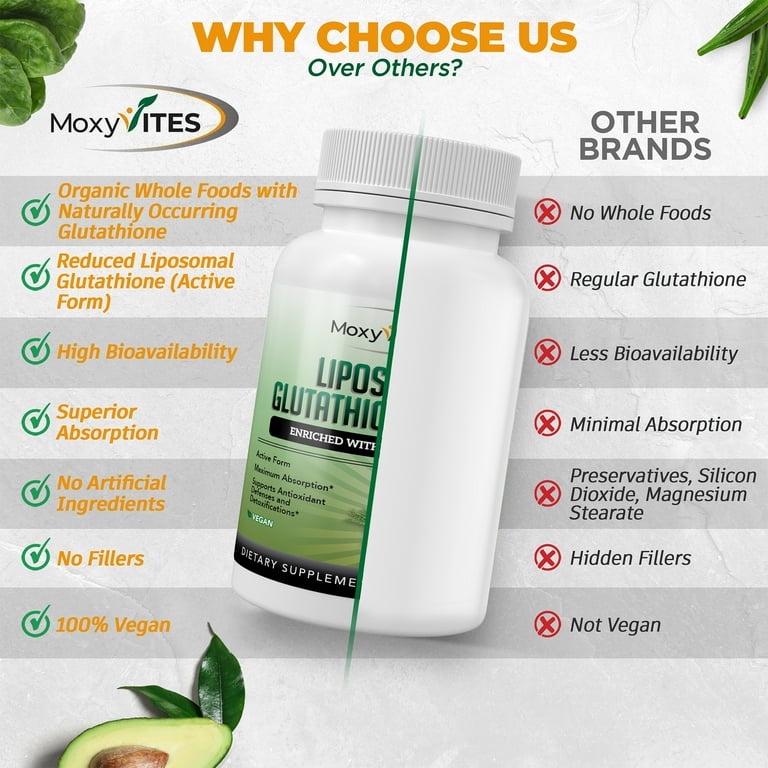
- Liposomal glutathione: marketed as improved delivery; often positioned for better absorption.
- Effervescent or chewable glutathione: sometimes combined with vitamin C or other antioxidants.
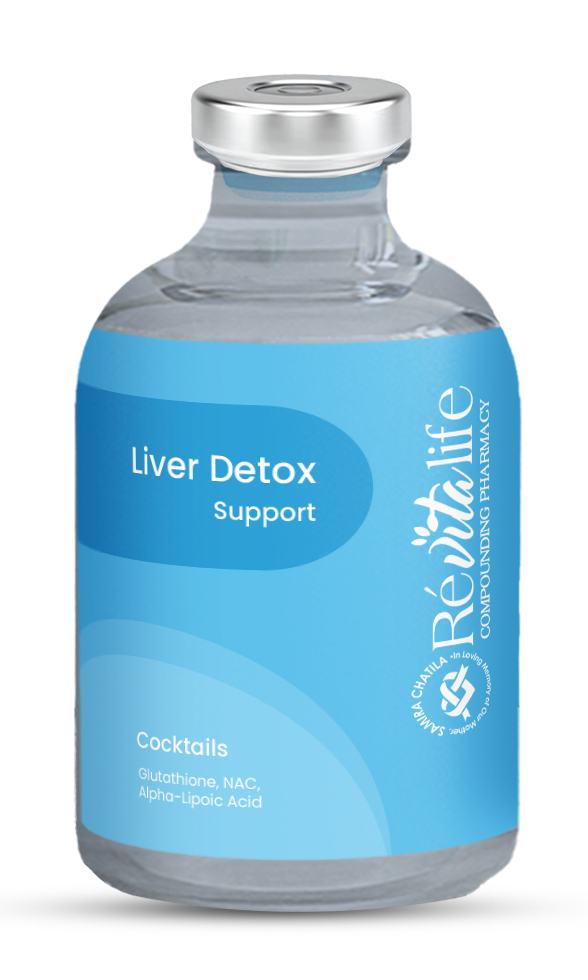
- Glutathione-support blends: products that pair glutathione with ingredients like NAC, glycine, selenium, vitamin C, or vitamin E to support pathways tied to glutathione production.
- Injectable or clinical administration: typically not a consumer “buy at checkout” category; requires clinician oversight.
Quality standards (what I look for as a consumer):
- Transparent Supplement Facts: actual glutathione amount per serving, not just “proprietary blend.”
- Third-party testing: certificates of analysis or testing for heavy metals/microbials and potency.
- Clear sourcing: credible manufacturer, consistent labeling, and a responsive customer support presence.
- Ingredient discipline: fewer unnecessary additives if you’re prone to sensitivity.
Image check (helpful for labeling context):
Insert YouTube Video: Consumer Context on Glutathione
Comparison of Common Options
| Format | Typical Dose/Use | Pros | Cons | Cost | Best For |
|---|---|---|---|---|---|
| Oral reduced glutathione (capsules/tablets) | Often 100–250 mg daily with food | Budget-friendly; easy to trial | Variable absorption; some people get nausea | ~$15–$35 per month (typical) | Trying glutathione cautiously first |
| Liposomal glutathione | Often 250–500 mg daily | Marketed for better delivery; sometimes gentler | Higher price; benefits still not guaranteed | ~$30–$70 per month (typical) | If you’ve tried plain capsules and want a change |
| Powder glutathione (mixed) | Often 100–300 mg once daily | Flexible dosing; can be easier for sensitive stomachs (if mixed well) | Taste/smell issues; less consistent routines for some | ~$20–$60 per month (typical) | People who prefer flexible dosing trials |
| “Glutathione support” blend (e.g., with NAC) | Often 1–2 capsules daily; depends on blend | Targets pathways that influence glutathione production | Harder to isolate effects; NAC or other ingredients may not suit everyone | ~$25–$80 per month (typical) | If you want a broader antioxidant approach |
| Clinical/injectable options (doctor-supervised) | Dose varies by protocol | Not a consumer DIY; clinician oversight can reduce misuse | Higher risk if self-directed; not appropriate to compare with oral products | Often varies widely by provider | Only for people under medical guidance |
Price and dose ranges are ballpark examples to support comparison, not quotes for any specific brand.
Buying Framework and Red Flags
If you’re trying to decide “who should not take glutathione,” your buying decision is part of safety. Many issues come from poor labeling, weak quality control, or blends that hide what’s actually inside.
Checklist (use this before you buy):
- Red flag: the label doesn’t clearly state how many mg of glutathione per serving you’re getting.
- Red flag: proprietary blends without disclosed amounts.
- Red flag: vague “detox” claims or before/after photos suggesting guaranteed transformation.
- Red flag: no third-party testing or no availability of certificates of analysis.
- Red flag: sudden “too-good-to-be-true” pricing with unclear manufacturing details.
- Red flag: you’re planning to combine glutathione with multiple high-dose antioxidants without tracking how you feel.
Practical buy strategy: choose one product, one form, and one dosing schedule for a trial window. Don’t stack three new supplements at once, or you won’t know what caused any side effect.
Common Mistakes and How to Avoid Them
- Mistake: starting with the highest dose.
Fix: start low and adjust based on tolerance. - Mistake: taking glutathione on an empty stomach if you’re prone to nausea.
Fix: take with food for the first trial unless your label says otherwise. - Mistake: chasing a skincare timeline.
Fix: set expectations in weeks, not days. - Mistake: ignoring ingredient sensitivity.
Fix: check capsule type, sweeteners, flavors, and binders. - Mistake: combining with other “brightening” actives and assuming cause-and-effect.
Fix: change one variable at a time.
FAQ
Is glutathione proven to work for skin glow, and who shouldn’t take glutathione for that goal?
Glutathione has biological plausibility as an antioxidant and there are studies exploring skin-related outcomes, but it isn’t proven as a universal skincare treatment for everyone. People most often advised to avoid glutathione are those with specific medical situations, known ingredient sensitivities, or who are pregnant/breastfeeding and haven’t discussed it with a clinician. If you’re asking “who shouldn’t take glutathione” specifically for skin glow, the safer path is to treat it as an optional supplement trial, not a guaranteed result.
How long does it take to see results after starting glutathione, and when should you stop if it’s not working?
For many oral routines, a realistic first evaluation window is about 2–4 weeks. In a consumer trial, I’d assess tolerance within the first 3–7 days (nausea, headaches, stomach upset), then reassess for any subtle changes by week 2–4. If you’re not noticing anything after that window and you’re also dealing with side effects, it’s reasonable to stop rather than keep increasing dose.
What are common side effects of glutathione supplements, especially for women 25–34 who wonder “who shouldn’t take glutathione”?
Commonly reported issues are mild stomach discomfort, nausea, or headaches—often tied to dose, timing (empty stomach vs with food), and product ingredients. “Who shouldn’t take glutathione” in practice includes anyone with a history of adverse supplement reactions, or anyone whose body is already sensitive to antioxidant blends. If you notice worsening symptoms, stop and seek medical advice.
Can you combine glutathione with vitamin C, NAC, or other antioxidants—if you’re asking who shouldn’t take glutathione with supplements?
Some people combine glutathione with other antioxidants like vitamin C or NAC, but combining increases complexity. If you’re sensitive, the blend may make it harder to identify what caused a side effect. If you take multiple supplements, start one at a time, keep doses modest for the first trial, and track how you feel for at least a week before adding anything else.
Is oral glutathione different from injection/alternative routes, and does that change who shouldn’t take glutathione?
Yes. Oral products are consumer-available supplements, while injection or clinical administration is typically medical-grade and should be clinician-supervised. That difference changes risk considerations. If you’re considering non-oral routes, the “who shouldn’t take glutathione” question becomes even more important—because self-directed use can increase the chance of adverse reactions or improper protocols.
A Practical 2-Week Experiment Framework
This is a consumer-style framework designed for women 25–34 who want to be practical and cautious—without chasing promises.
What you’ll track: tolerance (nausea, headache, stomach upset), adherence (did you take it consistently?), and any subtle changes (skin feel/appearance under similar lighting).
- Day 1–2: Start with the low end of the label or reduce the dose (if the label suggests 250 mg, try 100–150 mg equivalent if available). Take with food.
- Day 3–7: Continue the same dose. If you notice nausea/headache, reduce again or stop. Don’t “push through” side effects for a trial.
- Day 8–14: If you tolerate it well, maintain the dose. If you want to test a stronger option, adjust only one variable (don’t swap formulas and change dose at the same time).
- Week 2 evaluation: Decide based on (a) tolerance, (b) consistency, and (c) whether any change is meaningful to you.
- Stop rule: if side effects persist or worsen, stop. If you’re unsure, talk to a clinician.
Example timing and “failure cases”: If you take glutathione for 14 days and see zero difference, that doesn’t necessarily mean it “doesn’t work”—it may mean your dose/formulation isn’t a fit. But if you feel worse (headaches, GI upset) or you can’t take it consistently, that’s a strong signal the product isn’t working for you.
About the Author
Written by: Maya R. Ellison, a health-and-wellness consumer reviewer who has spent the last 6 years testing and documenting supplement routines for women’s lifestyle goals (energy, skin-support basics, and ingredient sensitivity). Maya’s approach focuses on label transparency, dose realism, and cautious trial design rather than trend-chasing. Disclaimer: This article is for informational purposes only and is not medical advice. If you have a medical condition, are pregnant or breastfeeding, or take prescription medications, ask a clinician before using glutathione—especially if you’re considering non-oral routes.
Discussion